
The story of a transformation
Illustrative exampleA familiar sofa. A fresh chapter.
An illustrative restoration story: keeping the shape and character of a favourite sofa, while rethinking its comfort, fabric and finish for everyday life.
Follow the process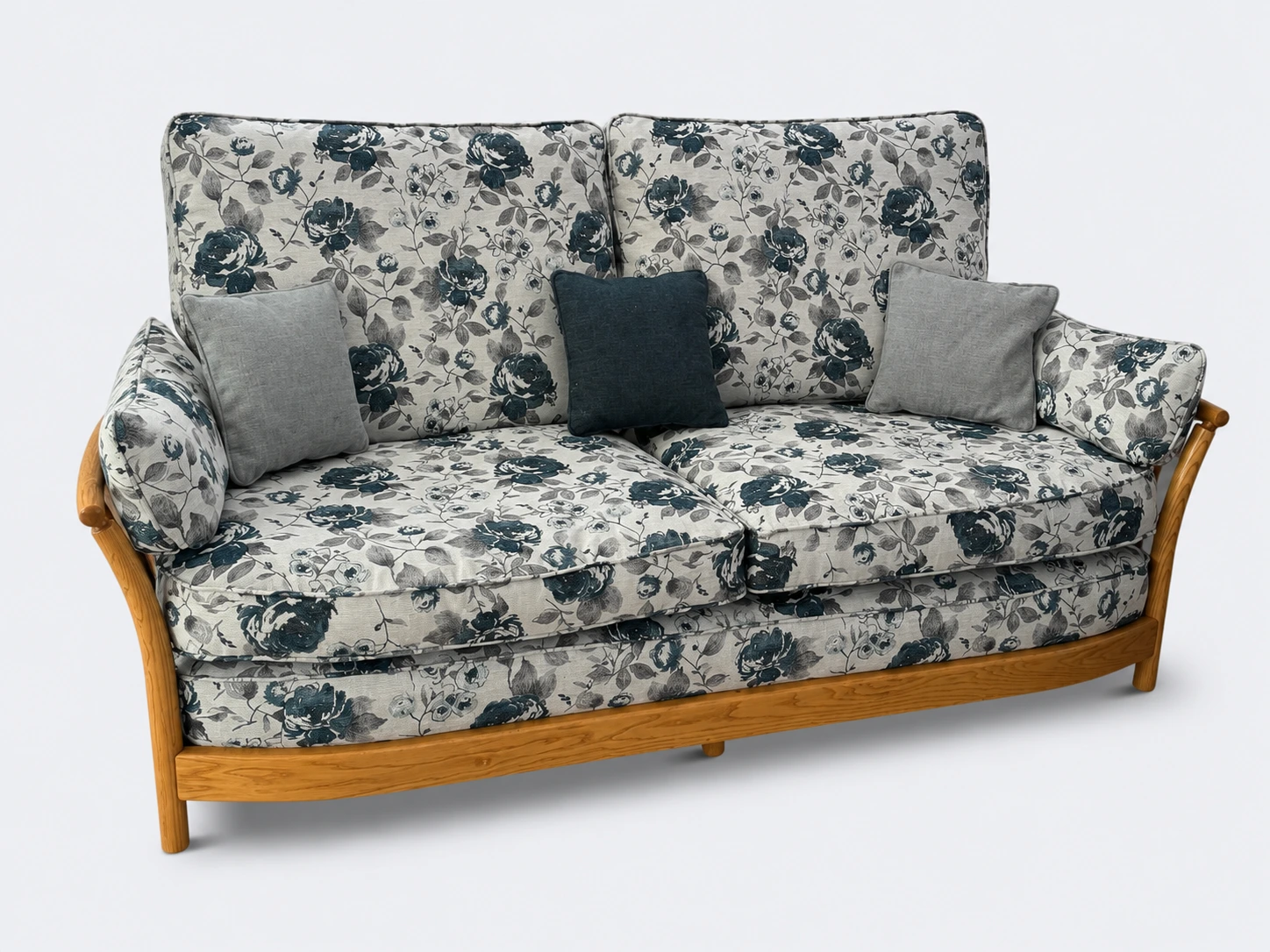
- The work
- Re-upholstery
- The piece
- Exposed-frame, two-seat sofa
- The setting
- North East home · example brief
- The timescale
- 3 workshop weeks · illustrative
01 / Understanding the piece
Keep what matters.
Rethink the rest.
The imagined brief was simple: keep the sofa that already felt at home, but make it a pleasure to use again. Its compact proportions and exposed timber were the features to preserve. The seating needed to feel supportive, and the new fabric needed enough character to make the piece feel considered.
Rather than begin with a colour alone, the consultation would explore how the room is used, who sits on the sofa and what the owner likes about its existing feel. Reference photographs, overall dimensions and a fabric sample would turn that conversation into an agreed specification.
The transformation
Then. And now.
Move the slider to compare the original piece with its finished appearance.
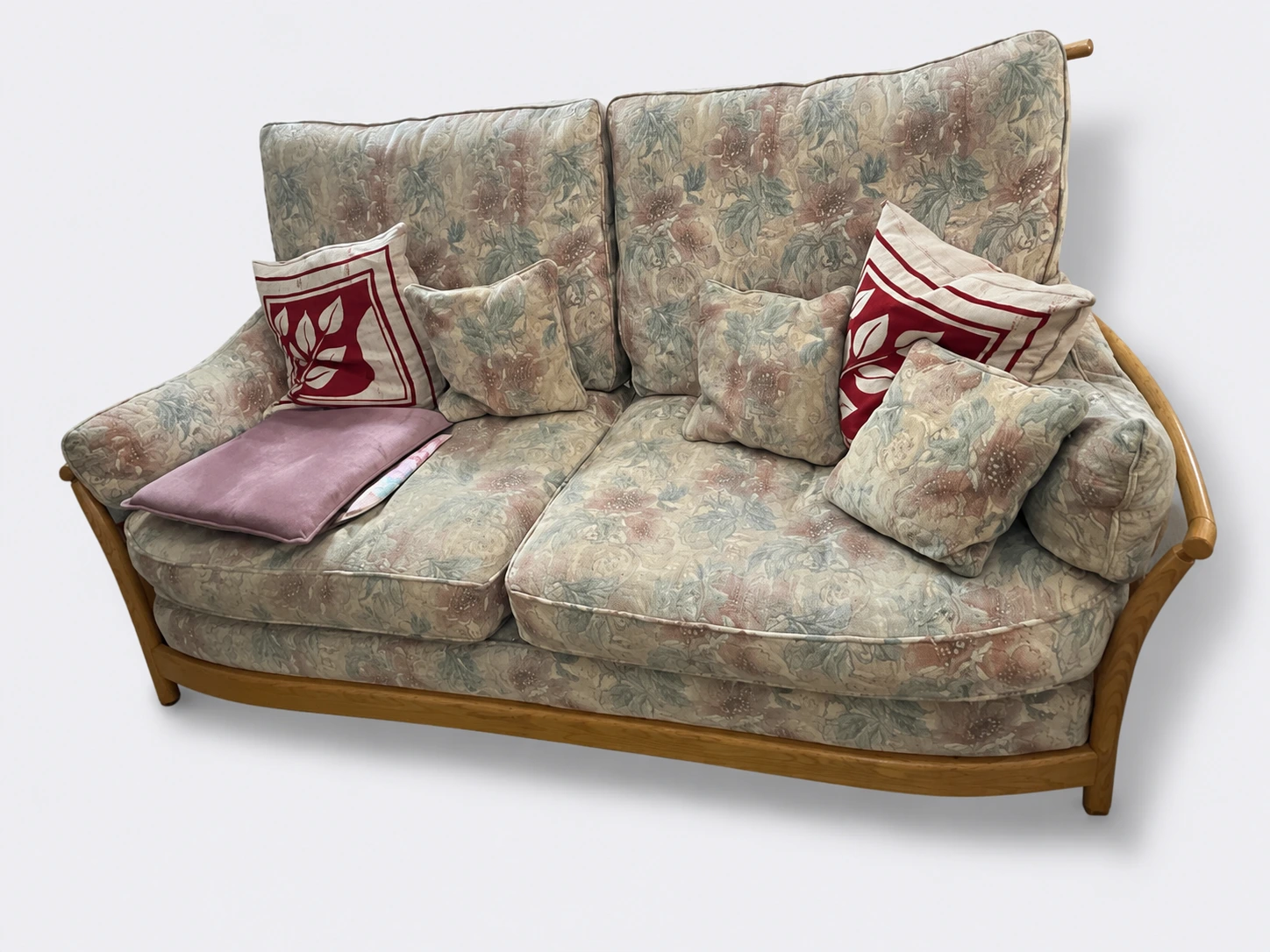 BeforeAfter
Drag the divider, or use the buttons.
Considered from the inside out
Materials. With purpose.
Floral upholstery with a soft, neutral ground
The fabric
A floral design is the visual starting point. For a real project we would record the supplier, collection, colour, composition and agreed suitability for the intended use.
The comfort
Seat and back fillings are specified after inspection and discussion. The target is an agreed feel, with suitable support beneath it; no filling grade is assumed from a photograph.
The frame
Visible timber is retained as a design feature. Any loose joints, damaged support or finishing work would be recorded, quoted and agreed before proceeding.
The finishing details
Seam positions, cushion fit and the fabric’s direction are considered together. Matching a pattern takes planning and can affect the quantity of fabric required.
02 / Inside the workshop
Every stage.
A reason behind it.
An illustrative sequence showing how a detailed project story can explain the craft. Actual stages depend on the agreed work.
Stage 01
Listen, measure and agree the brief
The starting point is the furniture and the person who uses it. We would review photographs, note the dimensions and discuss what should stay and what should change. Comfort, the room’s colour palette and practical access all belong in the same conversation.
A fabric shortlist and a written scope would then define the proposed work. The project only moves forward once the specification and quotation are agreed.
Why it mattersA clear brief prevents a beautiful finish from solving the wrong problem.
The checkpointConfirm dimensions, fabric choice, comfort preference and the agreed scope.
Stage 02
Strip back and understand the piece
The old cover would be removed carefully so the underlying construction can be assessed. Existing panels can provide useful information about shape, seam positions and the way the furniture was originally assembled.
At this stage, the inspection would look for loose joints, worn support, damaged fillings and earlier repairs. Anything outside the agreed scope would be photographed and discussed before extra work is undertaken.
Why it mattersNew fabric cannot compensate for an unresolved problem underneath.
The checkpointRecord the condition and agree any additional repairs before continuing.
Stage 03
Rebuild support and refine the comfort
Once the structure is understood, the agreed support and filling work can begin. Repairs are guided by the construction and condition of the piece, rather than applying the same solution to every sofa.
The aim in this example is a supported seat that still suits the sofa’s proportions. Filling profiles would be checked against the frame so that the cushions sit neatly and do not overwhelm the exposed timber.
Why it mattersComfort and shape are designed together, beneath the final cover.
The checkpointCheck stability, support and the agreed cushion profile.
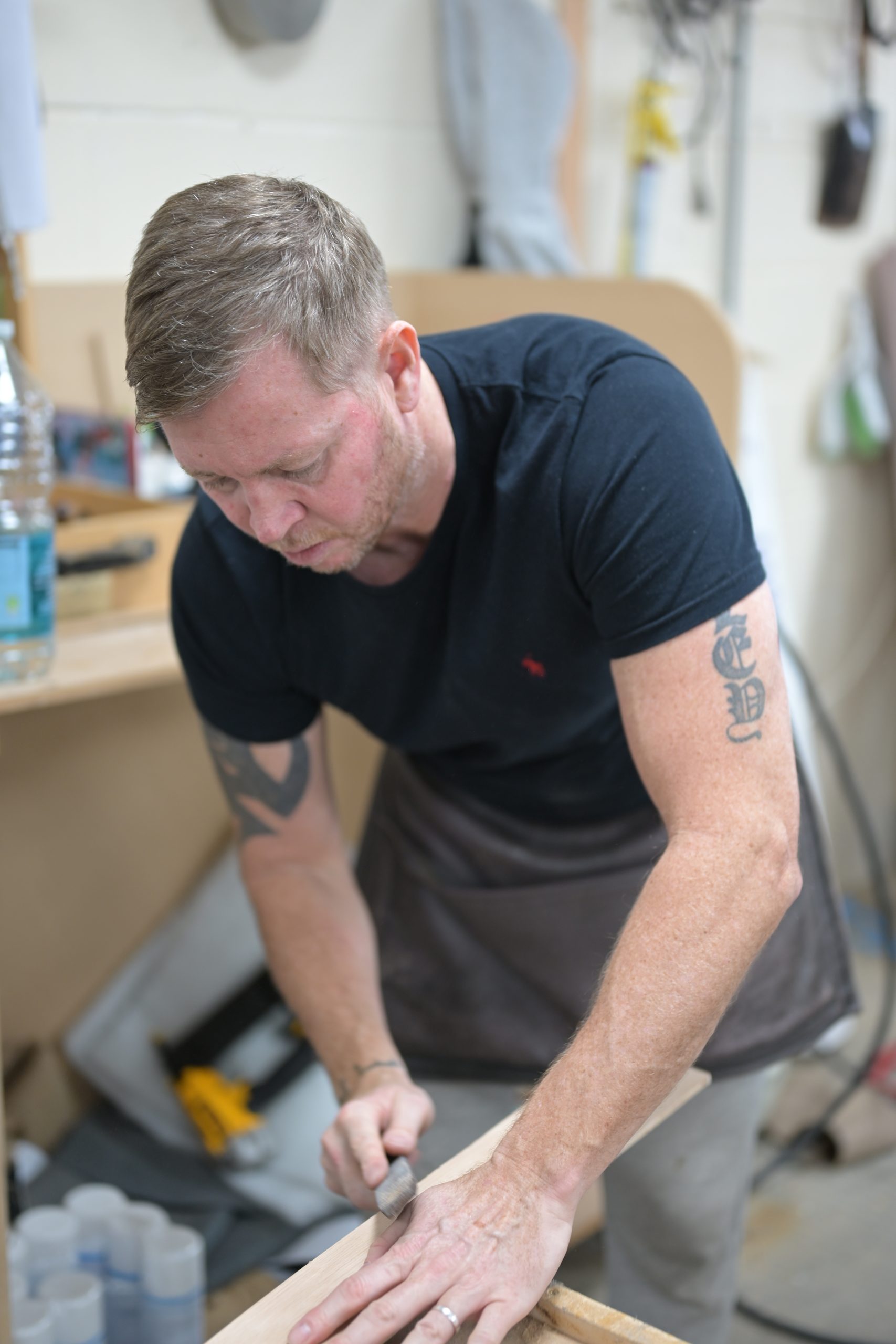
Stage 04
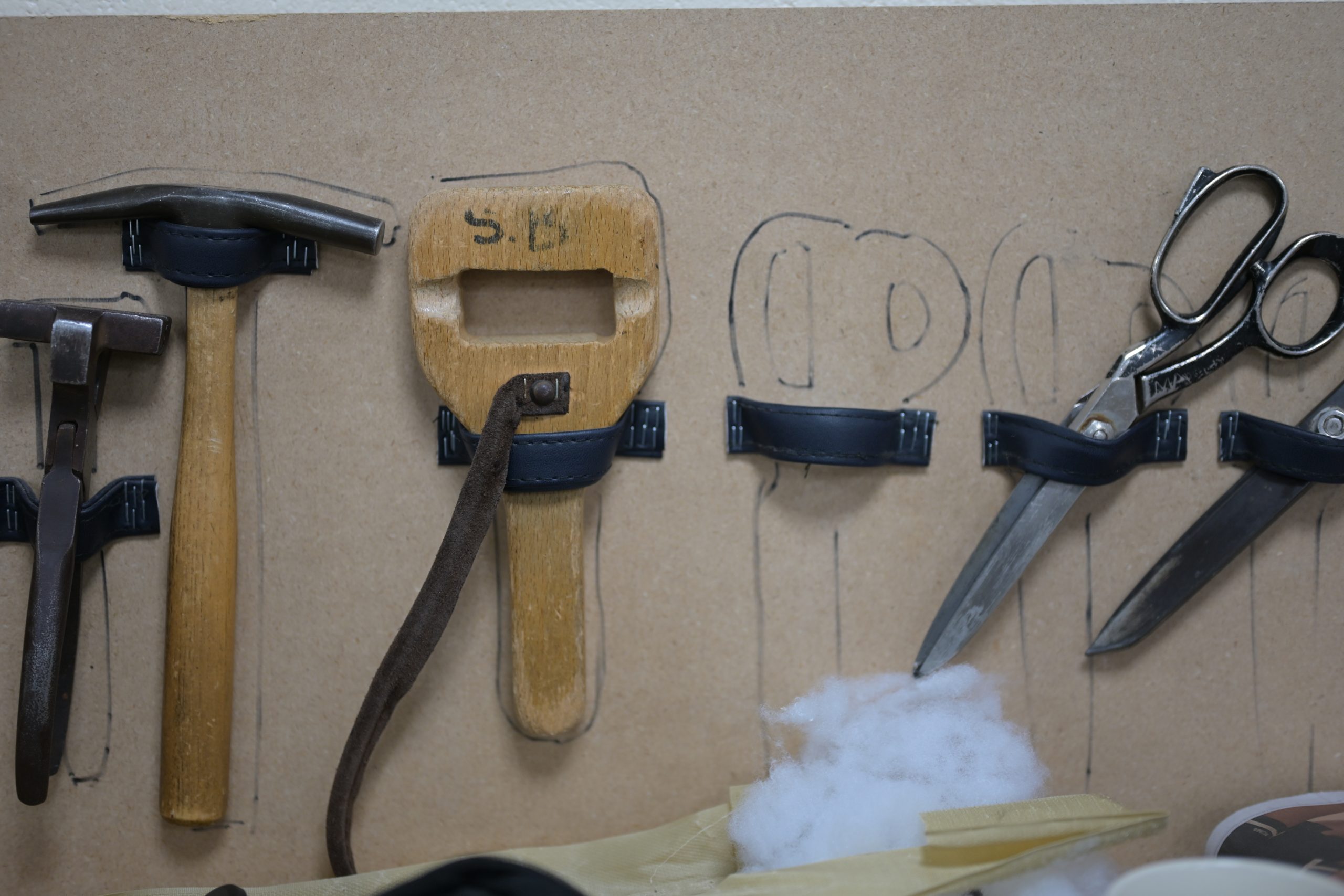
Plan the pattern, then cut by hand
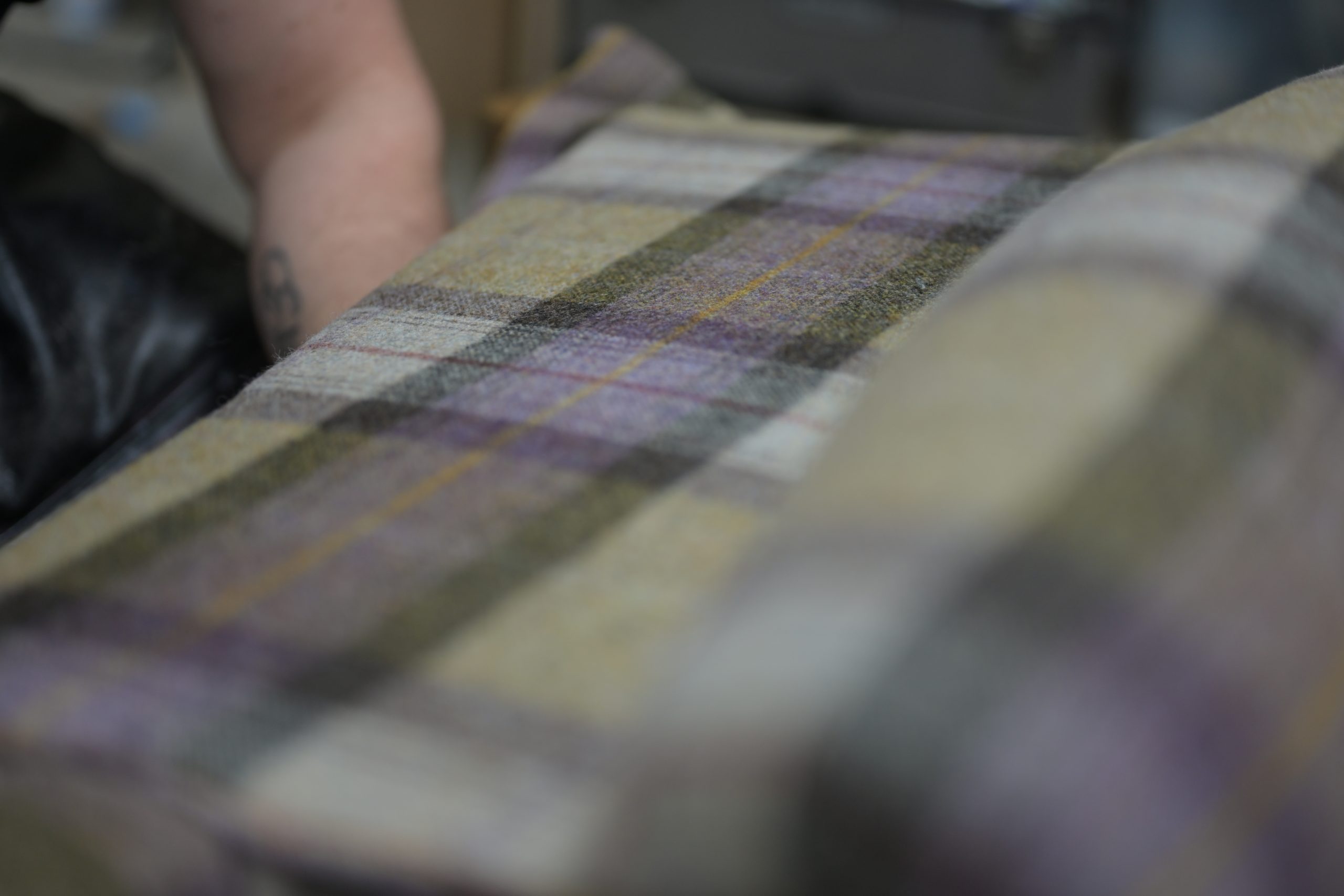
A floral fabric needs to be considered across the whole piece. Before cutting, the upholsterer would identify the pattern direction, choose the most important visual centres and plan how the design moves between the back, seat and arms.
Measurements, seam allowances and pattern repeats are checked before the cloth is cut. Taking time here protects the fabric and makes the finished piece feel balanced.
Why it mattersA considered layout makes separate upholstered panels read as one design.
The checkpointCheck direction, placement, repeat and allowances before the first cut.
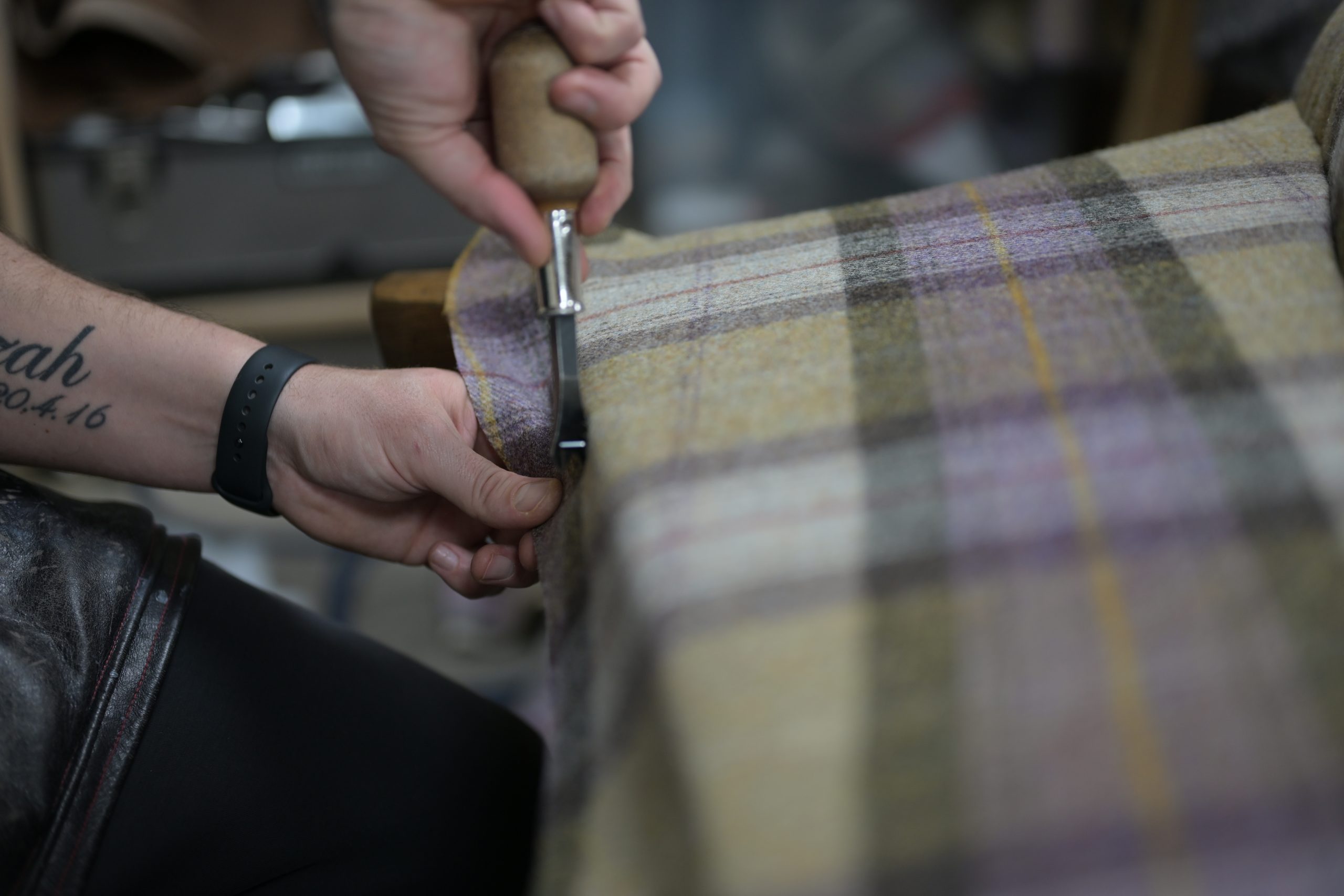
Stage 05
Sew, fit and shape the upholstery
The prepared panels would be sewn and offered up to the furniture, with the fit checked as the work progresses. Corners, seams and cushion closures all influence how the cover sits in use.
The fabric is then worked around the form with attention to even tension and consistent lines. Around exposed timber, every edge is visible, so the relationship between the cloth and frame deserves particular care.
Why it mattersA precise fit allows the original form to remain clear beneath the new fabric.
The checkpointReview seams, corners, cushion fit and the lines against the frame.
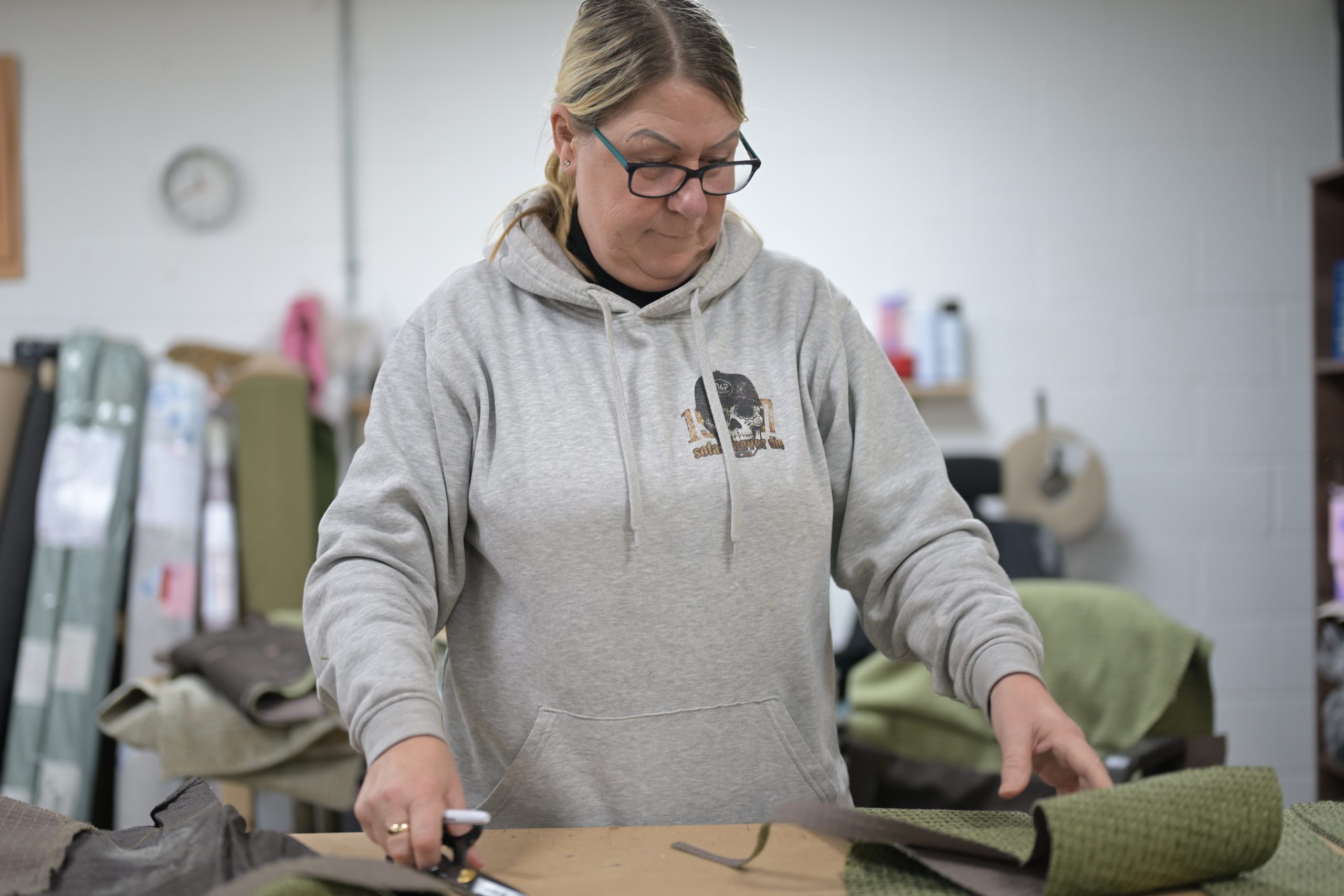
Stage 06
Finish the details and inspect the result
The final stage is a deliberate inspection of the whole piece. The example checklist covers loose threads, seams, visible edges, cushion alignment and the overall consistency of the finish.
The sofa would be viewed from several angles and checked against the agreed brief. Photographs would record the finished result before collection or delivery is arranged.
Why it mattersThe details that are easy to miss in progress are the ones that matter in daily use.
The checkpointComplete the final visual and practical checks against the agreed specification.
Stage 07
Hand over with clear aftercare
A finished project needs a clear handover. For a real commission, we would explain the work completed, provide the relevant fabric care information and discuss how to look after the chosen cushions and fillings.
This final step closes the story with useful information rather than simply a photograph. Any customer comments would only be added with permission and would be quoted accurately.
Why it mattersThe story continues at home, with the knowledge needed to care for the piece.
The checkpointProvide the agreed care information and record collection or delivery.
03 / The next chapter
A familiar piece.
Seen afresh.
The intended result is a sofa that still feels familiar, with a more deliberate relationship between the fabric, timber and cushion shape. The floral upholstery gives the compact form a clear identity; the exposed wood remains part of the design rather than disappearing beneath a new cover.
For a real case study, this is where we would record the work actually carried out, the final specification and the checks completed before collection or delivery. Any changes discovered during stripping would be explained alongside the agreed solution.
Your piece could be next
What’s its
next chapter?
Send us a few photographs and tell us what you would love to change.